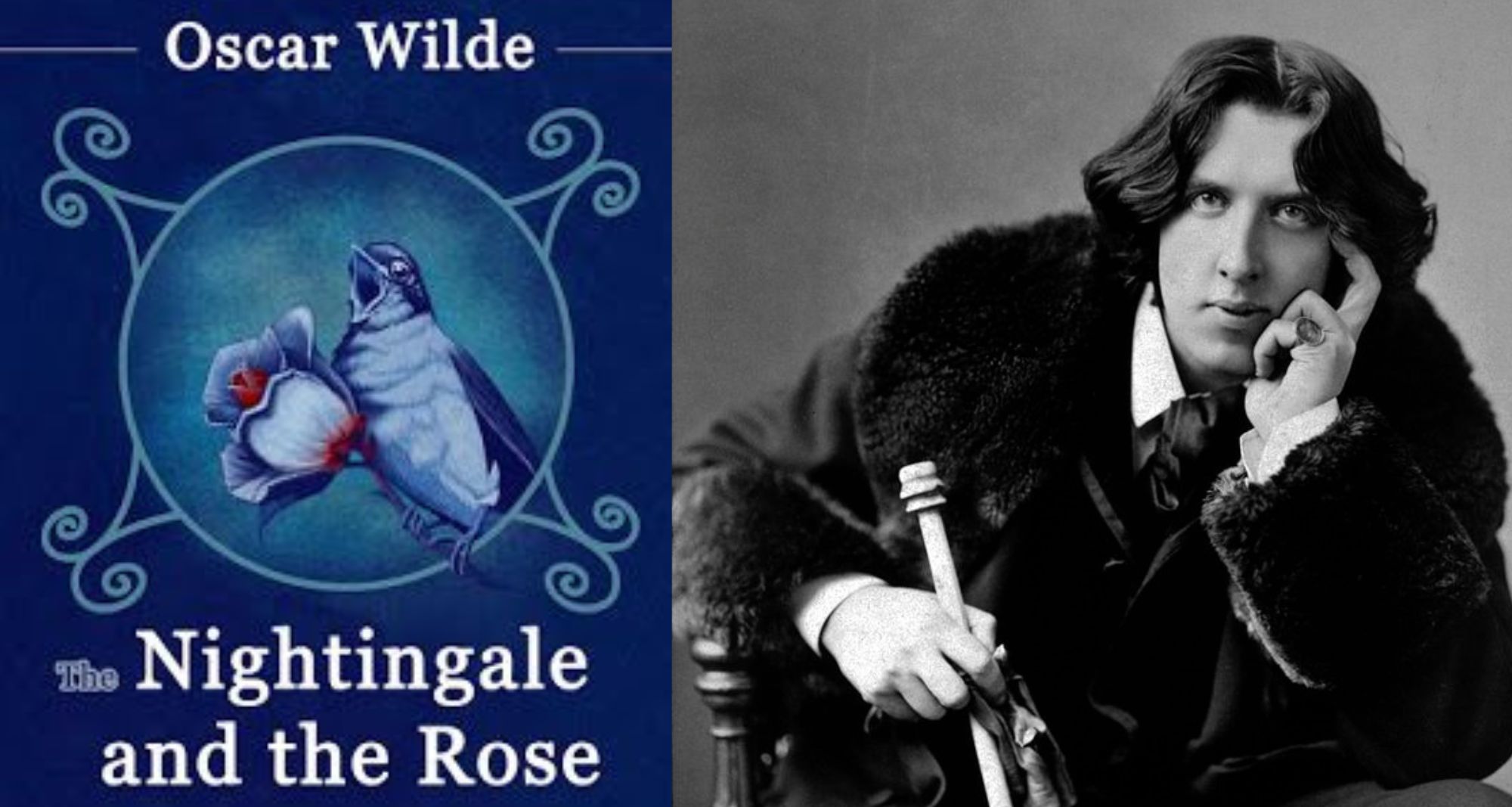


The Nightingale and the Rose - Oscar Wilde
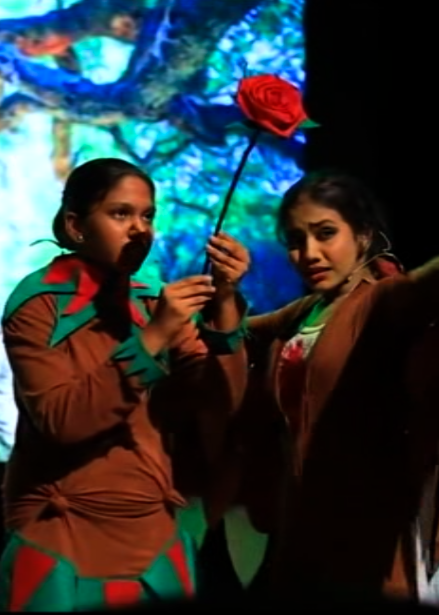
Oscar Wilde’s “The Nightingale and the Rose” is a deeply symbolic drama that explores the contrast between true love and human selfishness. The story follows a young student who believes he understands love, yet his feelings are shallow and conditional — he only wants a red rose to impress a girl. The nightingale, who truly understands love, sacrifices her life by pressing her heart against a thorn to stain a white rose red with her own blood. Her death represents the purest, most selfless form of love — love that gives without expecting anything in return. However, the girl’s rejection of the rose and the student’s eventual cold return to logic expose the cruel irony that humans, unlike the bird, fail to recognize real love when they see it. Wilde uses symbolism, irony, and contrast to show how materialism and pride destroy sincerity. The tone shifts from tender and hopeful to tragic and bitter, reminding readers that true love often dies unnoticed in a world blinded by vanity and greed.
- 💭 Theme: The conflict between true, selfless love and shallow, material love.
- 🌹 Symbolism: The red rose symbolizes sacrifice, love, and purity, while its destruction represents the death of idealism.
- 🐦 Personification: The nightingale is given human emotions and speech, becoming a symbol of pure devotion.
- 🎭 Irony: The nightingale dies for love, yet the student and the girl never understand or value that sacrifice.
- ⚖️ Contrast: The nightingale’s selflessness contrasts sharply with the girl’s selfishness and the student’s emotional immaturity.
- 🎨 Imagery: Vivid descriptions of the nightingale’s song and the red rose’s creation heighten the emotional power.
- 🌑 Tone & Mood: The tone shifts from romantic and hopeful to tragic and ironic; the mood is sorrowful yet reflective.
- 📚 Moral: True love demands sacrifice and sincerity, but human beings often fail to recognize its worth.
💫 Literary Devices in “The Nightingale and the Rose” by Oscar Wilde
An extract from ‘Colin Cowdrey Lecture ’ - The Lahore Attack - Kumar Sangakkara

Kumar Sangakkara’s “An Extract from the Colin Cowdrey Lecture – The Lahore Attack” is a powerful and emotional reflection on the terrorist attack faced by the Sri Lankan cricket team in Lahore, Pakistan, in 2009. Through his speech, Sangakkara highlights not only the horror and fear of that day but also the courage, unity, and sportsmanship that followed it. He describes the moments of confusion and terror as the team’s bus came under fire, showing how the players and staff faced danger together, protecting one another despite the chaos. The extract goes beyond cricket, portraying the human side of athletes — their vulnerability, strength, and compassion. Sangakkara uses vivid imagery, emotive language, and personal experience to make readers feel the intensity of the event and admire the bravery of those involved. The tone is serious, reflective, and inspiring, reminding readers that sports are not just about competition, but also about courage, teamwork, and resilience in the face of adversity.
- 💭 Theme: The main themes are courage, unity, resilience, and the human spirit in the face of danger. The extract shows how tragedy can bring people closer together and reveal their true strength.
- 🎨 Imagery: Sangakkara uses vivid descriptions of the attack — the sounds of gunfire, the panic, and the fear — to make readers visualize the terrifying experience.
- 🗣️ Personal Narrative: As it is written from Sangakkara’s own perspective, the first-person voice adds authenticity and emotional depth.
- 🎭 Tone: The tone is serious, reflective, and emotional, moving from fear to pride and gratitude.
- ⚔️ Symbolism: The Lahore attack symbolizes the fragility of peace and the unpredictable dangers that even sportsmen can face.
- 💔 Contrast: The peaceful nature of cricket is sharply contrasted with the violence of terrorism, highlighting how suddenly life can change.
- 🔁 Repetition: Repeated emphasis on bravery and teamwork strengthens the emotional impact and reinforces the message of unity.
- 🌟 Message / Moral: Sangakkara reminds the audience that true heroes are those who remain calm and united in moments of fear, and that the spirit of cricket — like humanity — must endure beyond violence.
🏏 Literary Devices in “An Extract from the Colin Cowdrey Lecture – The Lahore Attack” by Kumar Sangakkara
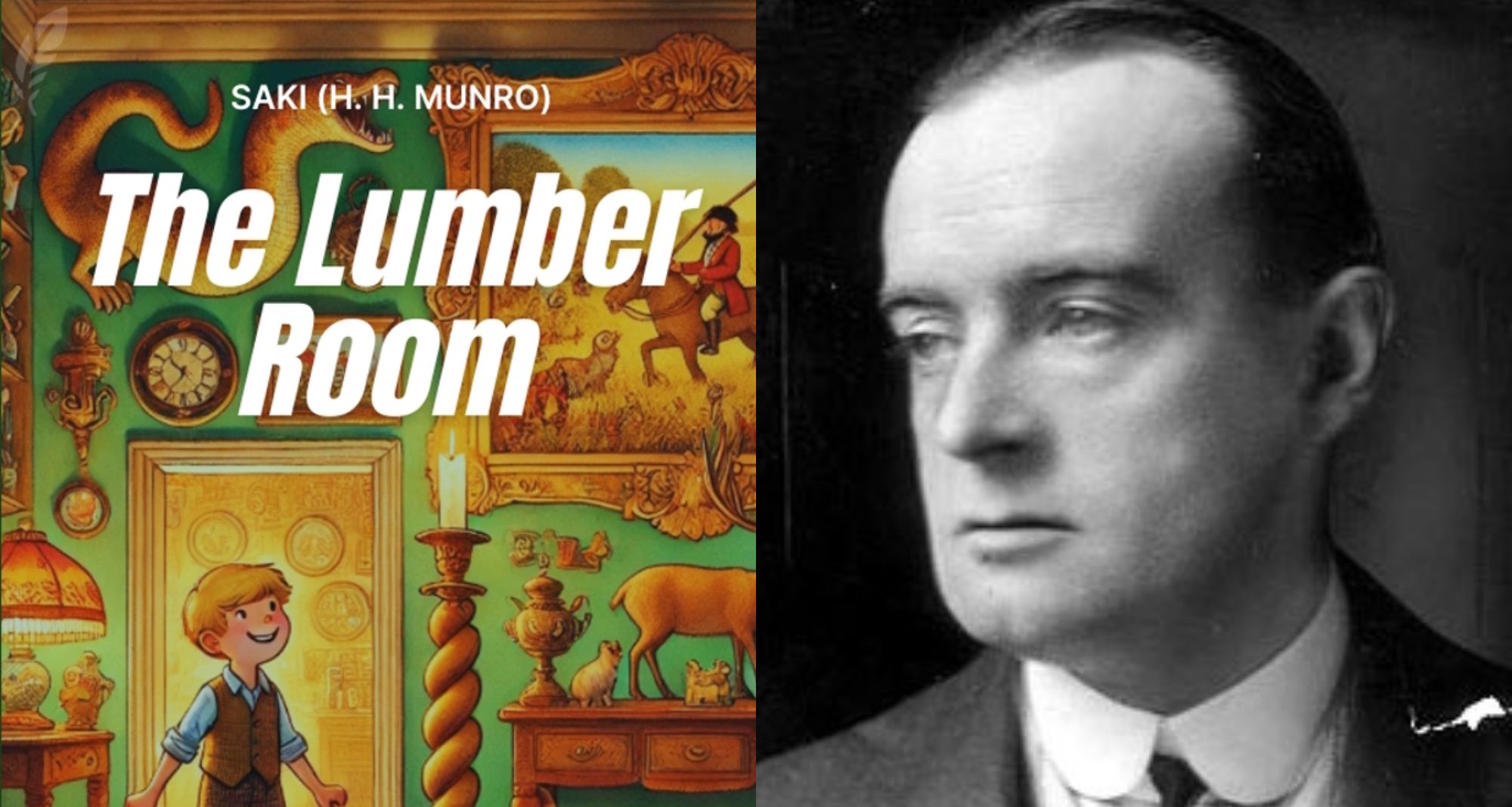
The Lumber Room - Saki
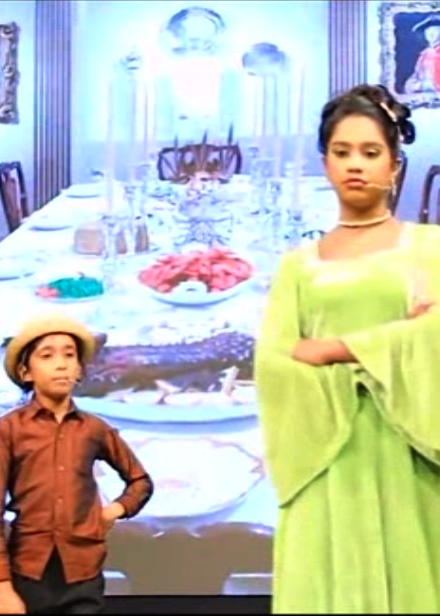
“The Lumber Room” by H.H. Munro (Saki) is a witty and ironic story that explores the conflict between a child’s imagination and adult hypocrisy. The drama revolves around a clever boy named Nicholas, who is punished unfairly by his strict and unimaginative aunt for something he didn’t do. While the aunt tries to keep him away from the lumber room — a place full of mystery and wonder — Nicholas outsmarts her and enters it, discovering its hidden beauty. The room becomes a symbol of freedom, curiosity, and imagination, in contrast to the dull and rule-bound world of adults. Meanwhile, the aunt ends up trapped in a water tank, begging for help, but Nicholas pretends not to recognize her voice — cleverly getting his revenge. The story humorously exposes how adults often act foolishly while children can be wiser and more logical. Saki uses irony, humor, and symbolism to highlight the power of intelligence, imagination, and independence. The tone is playful yet sharp, teaching that curiosity and creativity should never be crushed by blind authority.
- 💭 Theme: The story explores childhood curiosity, imagination, and rebellion against rigid adult authority. It highlights how strict discipline can suppress creativity.
- 🚪 Symbolism: The lumber room symbolizes the world of imagination and forbidden knowledge, while the garden represents dull, restricted adult control.
- 🧠 Irony: The aunt, who tries to outsmart Nicholas, ends up trapped in the rain-water tank—showing the victory of intelligence over authority.
- 🎨 Imagery: Descriptions like “a piece of tapestry that was almost a living thing” bring the lumber room to life, emphasizing wonder and curiosity.
- ⚖️ Contrast: The contrast between the harsh, rule-bound world of the aunt and the magical world of the lumber room highlights the difference between repression and imagination.
- 🗣️ Dialogue: The witty exchanges between Nicholas and his aunt add humor and show Nicholas’s cleverness and confidence.
- 🎭 Tone & Mood: The tone is satirical and humorous, mocking the aunt’s narrow-mindedness; the mood shifts from mischievous to triumphant.
- 🔁 Repetition: The aunt’s constant scolding reinforces her controlling nature, while Nicholas’s calm replies show his quiet defiance.
- 💡 Message: Saki suggests that imagination and intelligence should be valued over blind obedience, and that children often understand life better than adults who underestimate them.
🕰️ Literary Devices in “The Lumber Room” by Saki (H.H. Munro)
An extract from‘Wave’ - A Memoir of Life after the Tsunami - Sonali Deraniyagala

In the extract from Wave, Sonali Deraniyagala recounts the moment she first notices the approaching wave and struggles to grasp the horror that is about to unfold. She observes the white curl of a wave advancing up the sand slope toward the hotel and conifers, and calls to her husband in disbelief: “Come out… I want to show you something odd.” The normality of the scene—holiday, sand, quiet sea—is shattered by the creeping foam that should not be there. Deraniyagala’s calm, precise description heightens the shock: the familiar becomes dangerous, the home becomes alien. In this quiet pacing she captures both disbelief and dread, showing how tragedy often begins with a moment of confusion. The tone is reflective yet immediate, engaging the reader in that instant when life changes forever. Through this opening, she sets up the themes of loss, memory and upheaval that run through the memoir, making us anticipate the flood of grief and the journey of survival that will follow.
- 💭 Theme: The main themes are loss, trauma, and the fragility of life. The extract captures the terrifying moment when calm normality turns into chaos.
- 🌊 Symbolism: The wave symbolizes sudden tragedy and unstoppable loss, representing the power of nature and the fragility of human life.
- 🎨 Imagery: Vivid images like “a white curl of a big wave” and “brittle thorny scrub” bring the scene to life, showing beauty turning into horror.
- ⚖️ Contrast: The peaceful seaside setting contrasts sharply with the destruction that follows, heightening the shock of the disaster.
- 🗣️ Dialogue: The line “Come out… I want to show you something odd” adds realism and suspense, showing how unaware they are of the danger.
- 🔁 Repetition: The calm descriptions build tension by delaying the moment of disaster, making the sudden realization more powerful.
- 🎭 Tone & Mood: The tone is calm yet ominous, while the mood shifts from peaceful to fearful in an instant.
- 📚 Foreshadowing: The “odd” wave creeping up the sand hints at the massive destruction to come, creating a sense of dread.
- 💔 Message: Deraniyagala shows how life can change in a single moment, and how memory and grief stay long after tragedy passes.